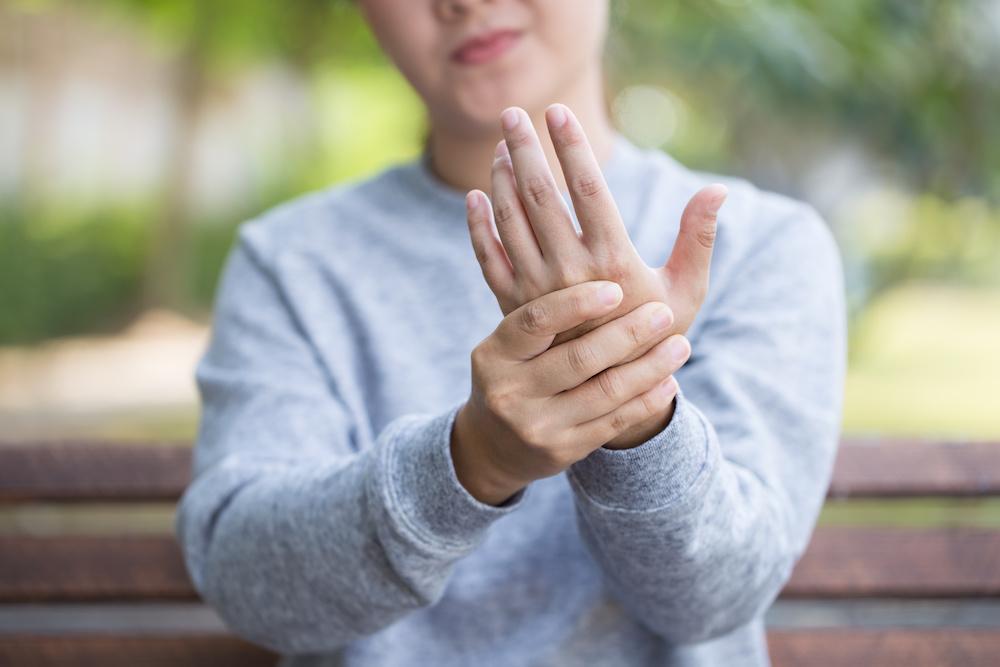
When you have peripheral neuropathy symptoms, the answer isn’t to shrug them off and carry on. The tingling that gets worse and better at intervals is a sign of neuropathy that’s usually linked to an underlying condition, and it can serve as an early warning sign that you need a medical evaluation.
At New Jersey Advanced Pain Management Center in Hackettstown, New Jersey, and Matamoras, Pennsylvania, Ajay Kumar, MD, and our team provide evaluation and treatment for neuropathy as well as advice for lifestyle changes that can help keep your nerve damage from getting worse.
Neuropathy basics
Peripheral neuropathy is damage caused to the peripheral nervous system. This is divided into three types:
- Sensory neuropathy: damage to sensory nerves that deliver information such as feelings of heat, cold, and pain to the brain
- Motor neuropathy: damage to motor nerves that drive muscle movement across your body, from the twitch of a finger to the kick of a foot
- Autonomic neuropathy: damage to autonomic nerves that control unconscious body systems and movements like your heartbeat, digestion, and breathing
Neuropathy can cause weakness, tingling, and pain, often in your hands and feet. It also may impact body functions like urination.
Symptoms of neuropathy
In addition to tingling, symptoms of neuropathy include
- Burning sensations
- Itching
- Stabbing pain
- Numbness
- Heightened sensitivity
These symptoms are typically caused by an underlying condition.
Causes of neuropathy
Neuropathy can be caused by a trauma, such as a car accident or a sports injury, or by a range of medical conditions that cause nerve damage over time. These conditions include:
- Autoimmune diseases
- Inherited diseases
- Diabetes
- Infections
- Tumors
Certain medications and alcohol abuse can also cause neuropathy.
Complications of neuropathy
Left untreated, neuropathy can cause significant complications to your health and quality of life. You may struggle with chronic:
- Pain
- Weakness
- Altered sensation
- Muscle atrophy
People whose neuropathy is caused by diabetes are at a significantly higher risk of leg ulcers and potential gangrene, which can lead to lower limb amputation.
This is why those symptoms you’re noticing demand immediate attention. Treatment for neuropathy generally starts with diagnosing the root cause and treating the underlying condition to slow the progression of your nerve damage before serious complications develop.
What to do next
When you see Dr. Kumar at New Jersey Advanced Pain Management Center, he evaluates the extent of your neuropathy, reviews your symptoms and medical history, and performs a physical examination. He typically also runs nerve conduction studies to confirm or rule out nerve damage or dysfunction.
Your personalized treatment plan may include oral and topical medications, transcutaneous electrical nerve stimulation (TENS) therapy, physical therapy, and lifestyle changes to help slow the progression of neuropathy by treating your underlying condition.
Do you have tingling in your legs? Contact New Jersey Advanced Pain Management Center to schedule a consultation with Dr. Kumar and our team so we can help you get ahead of the pain.