Minimally Invasive and Endoscopic Discectomy in Hackettstown, NJ & Matamoras, PA
A bulged or herniated disc can press on the nerves in your spine and cause pain in your back, neck, arms or legs. When rest, physical therapy and other conservative care have not helped, a minimally invasive discectomy may be the next step.
At New Jersey Advanced Pain Management Center, Ajay Kumar, MD, DABPM, performs minimally invasive spine procedures such as discectomy to remove the disc material pressing on your nerves. He uses small incisions and special tools, so there is no need for open back surgery.
What is a discectomy?
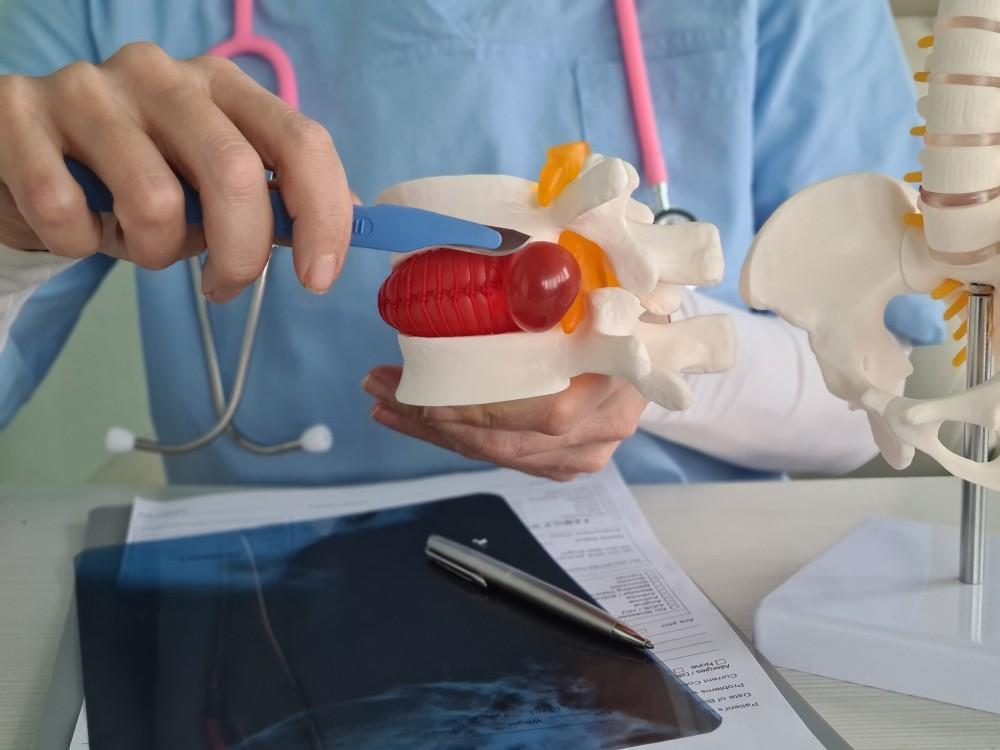
Your spine is made of bones called vertebrae, stacked from your tailbone to the base of your skull. Flexible discs sit between the bones. They cushion your spine like shock absorbers and let it bend and move.
Each disc has a tough outer ring of cartilage and a soft, gel-like center. As you age, discs can become stiffer and less flexible.
If a disc bulges, cracks or breaks, the gel can squeeze out and press on nearby nerves. This is called a herniated disc, and you may also hear it called a slipped disc or a ruptured disc.
A discectomy removes all or part of the disc that is placing pressure on your nerves. An endoscopic discectomy is a minimally invasive way to do this without open back surgery. It is one of the minimally invasive spine procedures Dr. Kumar offers.
How is it different from open back surgery?
Open surgery uses a long incision, and the surgeon has to pull back muscles and tissues to reach the spine. This can cause extensive trauma beyond the spine surgery itself.
Minimally invasive surgery uses a small incision, and in most cases no muscles need to be cut. Dr. Kumar gently guides a tube-like instrument called a tubular retractor between the muscle fibers. This creates a small opening to your spine.
He then passes a narrow endoscope, which carries a tiny camera, and small specialized instruments through the opening to remove the disc material. Because the muscles are spared, this approach can greatly reduce your pain and downtime.
Who is a good candidate for a discectomy?
Having a bulged or herniated disc does not automatically mean you need spine surgery. Mild disc herniations often heal over time with rest.
Dr. Kumar often tries conservative and noninvasive treatment first. This may include:
- Limiting activities that stress your spine
- Heat and cold therapy
- Physical therapy
- Anti-inflammatory medications to reduce swelling
- Spinal injections, such as epidural steroid injections, to reduce inflammation
- Special medications that interrupt nerve signals to lower how much pain you feel
Some cases need surgery for more effective and lasting relief. If your herniated disc does not heal and you still have chronic pain, Dr. Kumar may recommend a discectomy. It may be an option if you have a herniated disc or degenerative disc disease.
Symptoms of a herniated disc
A severely herniated disc can cause one or more of these symptoms:
- Pain in your spine that may spread to one or both sides
- Stiffness in your back or neck
- Tingling or numbness that runs down into your arms or legs
- Loss of bladder or bowel control
If your pain does not go away, or you have more severe symptoms such as numbness in your arms or legs or loss of bladder or bowel control, you may need medical treatment. Call our office at 973-917-3800 to be evaluated.
Most herniated discs happen in the lower back (lumbar spine). Trauma like whiplash can also cause a herniated disc in the neck (cervical spine). Herniation in the middle back (thoracic spine) is very rare. Learn more about back pain and neck pain.
What can I expect before, during and after a discectomy?
Before your procedure
If Dr. Kumar finds that you are a good candidate, he talks with you about where your herniated disc is and how severe it is. He explains:
- How bad the disc damage is
- Which symptoms may get worse without a discectomy
- Your long-term outlook with or without the procedure
He also gives you a thorough list of instructions to follow before your procedure to help lower the chance of complications.
During your procedure
Dr. Kumar performs your discectomy under general anesthesia. He makes a small incision near the source of your pain and uses a tubular retractor to reach the damaged disc.
Once he can see the disc, he checks its condition and finds where it is pressing on your nerves. He may remove only the part of the disc causing the problem, or in some cases the entire disc.
After your procedure
A discectomy stops your herniated disc from pressing on the nerves around it. This typically relieves the nagging nerve pain that spreads from your back into your arms or legs.
Complete healing can take from a few weeks to a few months. You will need to follow your physical therapy plan closely to regain full movement and range of motion.
Is recovery easier than with traditional surgery?
Recovery after a minimally invasive endoscopic discectomy is faster and less painful than after a traditional discectomy. Small incisions mean less chance of harming nearby healthy muscles and tissues, so you can expect less pain in the days after your procedure.
When minimally invasive spine surgery is an option for you, it is preferable and generally safer than more invasive surgery. Dr. Kumar tells you what to expect and how the procedure may relieve your pain before you decide.
Why choose Dr. Kumar for your discectomy?
Ajay Kumar, MD, DABPM, is an interventional spine and pain physician who specializes in interventional pain management and minimally invasive spine procedures. He offers a range of options, from spinal injections and spinal cord stimulation to minimally invasive decompression for spinal stenosis.
That means you can talk through other treatment options before deciding on a discectomy. Dr. Kumar evaluates your condition carefully and helps you decide whether a discectomy is right for you.
You can see Dr. Kumar at our offices in Hackettstown, NJ and Matamoras, PA. Call 973-917-3800 or book an evaluation online.
Frequently asked questions
Do I need surgery if I have a herniated disc?
How is an endoscopic discectomy different from open back surgery?
Will I be asleep during a discectomy?
How long does it take to heal after a discectomy?
How do I find out if a discectomy is right for me?
Ready to get relief?
Dr. Kumar sees patients in Hackettstown, NJ and Matamoras, PA, with telehealth for appropriate visits. Free insurance verification before every visit.
Learn more about minimally invasive discectomy
What Is a Discectomy?
While a bulged or herniated disc doesn’t automatically make you a candidate for spinal surgery, there are occasions when there’s really no better…
Read article →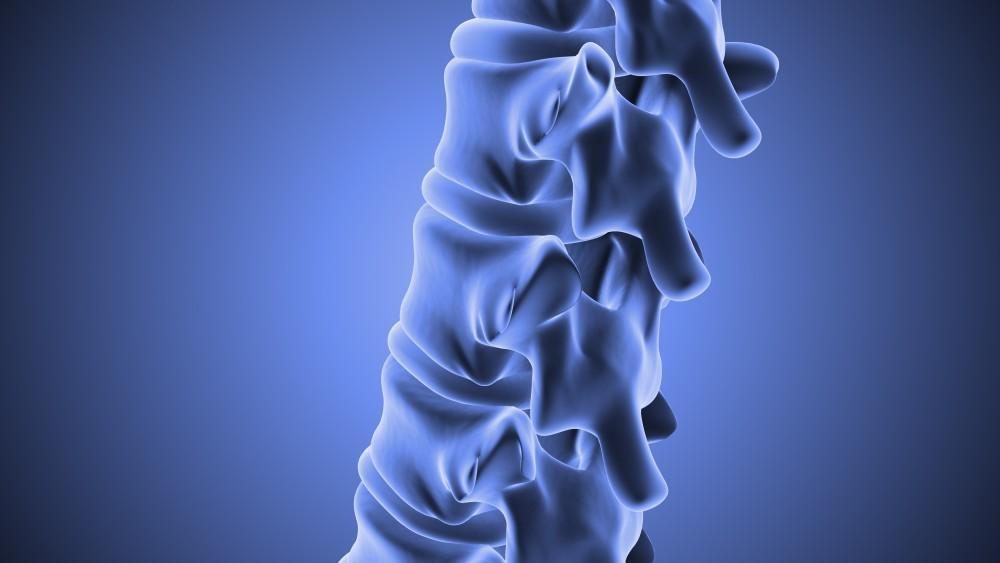
How Does a Discectomy Work?
Spinal surgery has come a long way in the past few decades. Conditions that used to seem too dangerous to operate on are now routinely addressed with…
Read article →
Forget Risky Open Surgery: Relieve Intractable Back and Neck Pain With Minimally Invasive Treatment
The treatment for chronic back pain and neck pain often begins with conservative treatments, such as medications, avoiding activities that stress…
Read article →Stop the Pain.
New patients welcome. Free insurance verification. Two offices and telehealth. Dual board-certified interventional care from Dr. Ajay Kumar, affiliated with Hackettstown Medical Center.