Spinal Cord Stimulation in Hackettstown, NJ & Matamoras, PA
When back, neck or nerve pain has not improved with other treatments, spinal cord stimulation may help. It uses mild electrical impulses to interrupt pain signals before they reach your brain, without major spine surgery.
Dr. Kumar performs both the spinal cord stimulation trial and the permanent implant for patients of our offices in Hackettstown, NJ and Matamoras, PA. The trial lets you test the therapy first, so you can see if it helps before you commit.
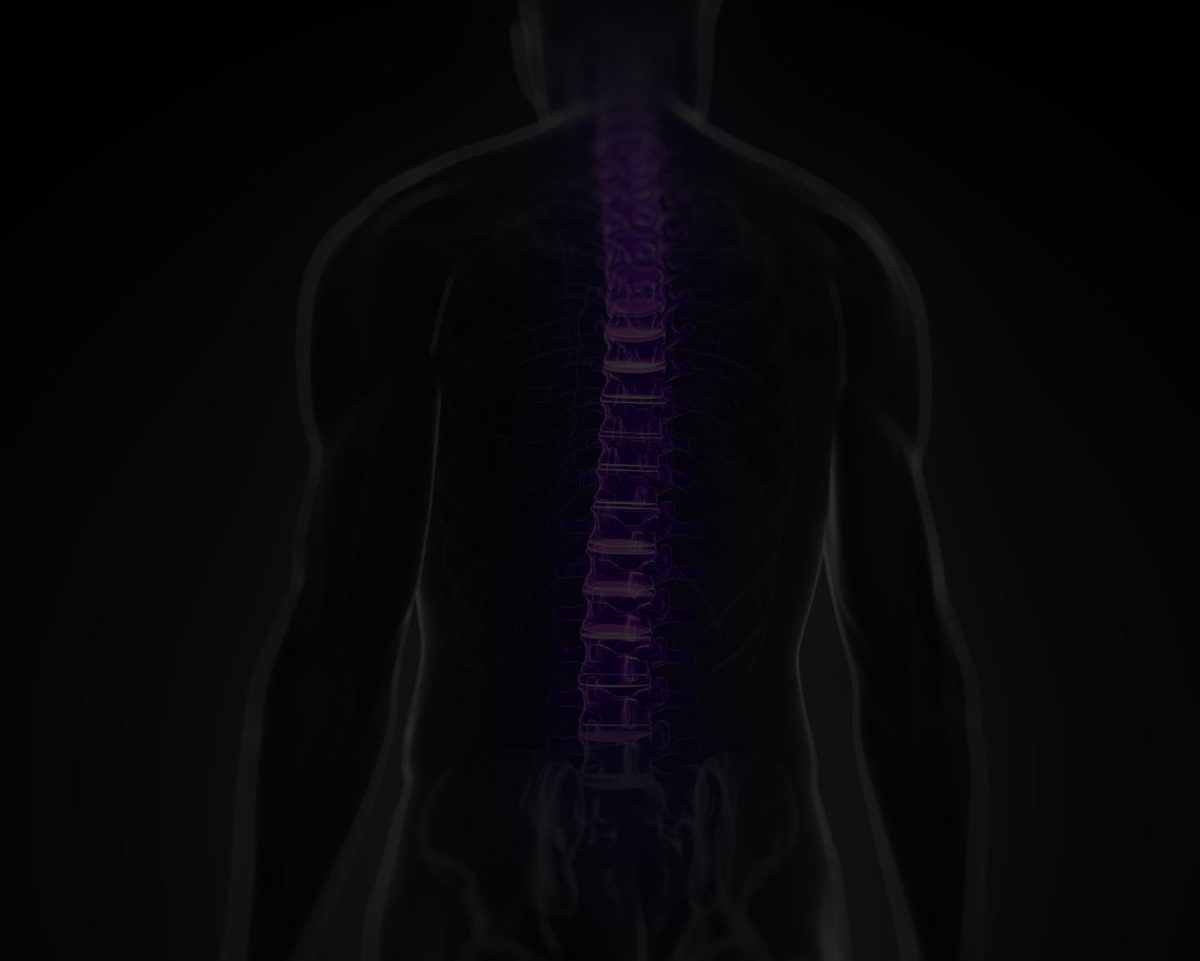
What is spinal cord stimulation?
A spinal cord stimulator (SCS) is a small implanted device that sends mild electrical impulses to the nerves carrying pain messages. These impulses interrupt the pain signals on their way to your brain.
Many back injuries leave pain receptors overactive, so they keep firing pain messages up the spinal cord to the brain. Spinal cord stimulation gives your body a break from that constant flow of pain signals.
Instead of using medication to address your symptoms, it works directly on the pain signals. Spinal cord stimulation may reduce pain, improve quality of life, and decrease reliance on pain medication.
How does spinal cord stimulation work?
Dr. Kumar places small electrodes, also called leads, through the epidural space and next to the nerves sending the pain messages. The leads connect to a small pulse generator that sits just beneath the skin near your spine.
When the device is on, it sends gentle electrical currents to those nerves. This changes how your brain processes the messages, a process called neuromodulation. The goal is to turn pain signals into no more than a light buzzing.
This creates a white noise effect that tunes out pain signals, so your brain can focus on other things. Breaking up the constant flow of pain signals can help keep pain from affecting your ability to move and function.
You use a hand-held remote to turn the device on and off and adjust the settings. The intensity, frequency and location of the impulses can be adjusted to fit your needs.
An important note
Neuromodulation does not heal the source of your pain. It changes the sensations you feel. Because pain is also a warning sign, you and your doctors need to be sure that normal movement and activity will not cause your spine further damage before moving forward.
Who is a good candidate for spinal cord stimulation?
Our team usually recommends less invasive treatments first. Front-line care for back pain often includes physical therapy, epidural steroid injections and oral pain relievers.
Spinal cord stimulation is often recommended for people who have not responded well to other forms of pain management, or when conservative or surgical treatments have not given enough relief. Conditions that may respond include:
- Chronic back pain, especially in the lower back or leg
- Chronic neck pain and arm pain
- Failed back surgery syndrome
- Chronic radiculopathy, including sciatica that has not responded to other treatment
- Nerve pain, including painful neuropathy and painful diabetic neuropathy
- Complex regional pain syndrome (CRPS)
- Peripheral arterial disease
- Spinal cord injuries
For neuropathy, Dr. Kumar may recommend spinal cord stimulation if your pain has not responded to any other treatment and you prefer a drug-free option.
What happens during a spinal cord stimulation trial?
Once you are cleared for spinal cord stimulation, the first step is a trial. Dr. Kumar places electrodes in your epidural space or near the specific nerves causing your pain.
During the trial, you wear the small pulse generator outside your body instead of having it implanted. The trial usually lasts at least a week, which lets us see if the stimulator gives you enough relief.
We consider the trial a success if you have at least a 50% reduction in pain. If the trial is not a success, the electrodes are easily removed and we talk about other pain management options.
What happens during the permanent implant?
If your trial is a success, Dr. Kumar implants the pulse generator underneath your skin and anchors the electrodes to reduce movement. This takes about 1 to 2 hours, and you can go home the same day.
Spinal cord stimulation is a minimally invasive procedure that typically needs only a small incision. In most cases, healing from the implant takes 2 to 4 weeks.
Spinal cord stimulation devices have few complications. The process is also fully reversible, even after the device is implanted. Bring any questions about risks to your consultation with Dr. Kumar.
Why choose Dr. Kumar for spinal cord stimulation?
Ajay Kumar, MD, DABPM, is an interventional spine and pain physician. He is fellowship-trained in interventional pain medicine, board certified in physical medicine, and a diplomate of the American Board of Pain Medicine.
Dr. Kumar previously worked as an orthopedic surgeon in India, with specialized training in fluoroscopic and ultrasound-guided minimally invasive pain procedures.
Dr. Kumar offers both spinal cord stimulation trials and permanent implants. His strengths include diagnosing difficult cases and offering sensible treatments that are logical and safe.
One patient shared that after years of suffering, Dr. Kumar introduced them to the Nevro spinal cord stimulator, writing, "my quality of life has improved significantly!" Read more patient reviews.
At New Jersey Advanced Pain Management Center, you are never a number. Call 973-917-3800, Monday to Friday, 9 AM to 5 PM, or request an appointment online at our Hackettstown, NJ or Matamoras, PA office.
Frequently asked questions
Can I try spinal cord stimulation before getting a permanent implant?
Is spinal cord stimulation major surgery?
How long does it take to heal after the implant?
Will spinal cord stimulation cure the cause of my pain?
Can the stimulator be removed?
Ready to get relief?
Dr. Kumar sees patients in Hackettstown, NJ and Matamoras, PA, with telehealth for appropriate visits. Free insurance verification before every visit.
Learn more about spinal cord stimulation
5 Reasons to Consider Spinal Cord Stimulation
Back pain is among the most common reasons people visit the doctor. That’s not surprising, given that about 16 million Americans live with chronic…
Read article →
Thinking About Spinal Cord Stimulation? Here’s What to Expect
It’s estimated that 84% of adults will experience at least one extended encounter with back pain in their life. Low back pain is the leading cause of…
Read article →Indications for Spinal Cord Stimulation Therapy (SCS)
Spinal cord stimulation (SCS) can help nerve pain and pain after back surgery. Who is a good candidate and how the trial works.
Read article →Stop the Pain.
New patients welcome. Free insurance verification. Two offices and telehealth. Dual board-certified interventional care from Dr. Ajay Kumar, affiliated with Hackettstown Medical Center.